
Slimming the Jawline Without Surgery: How Masseter Botox Changes Face Shape
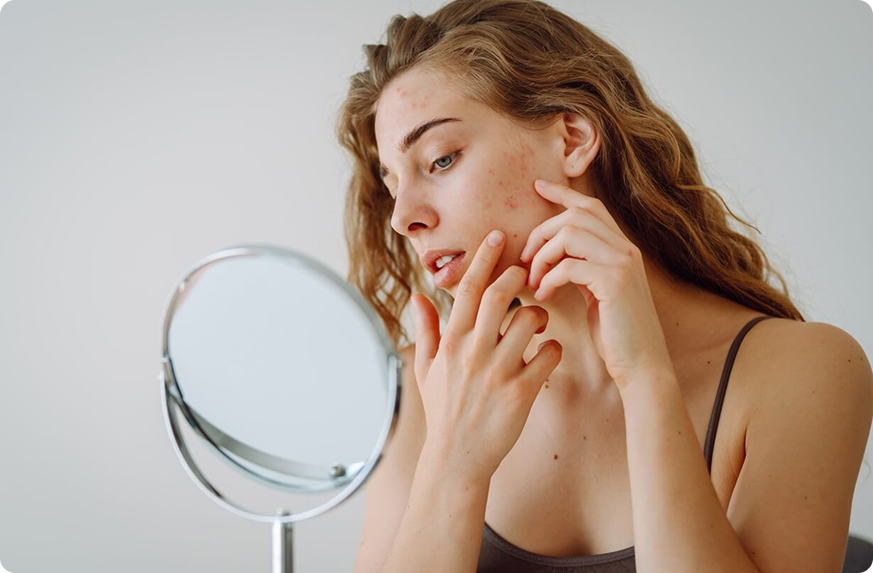
Living in Dubai means enjoying plenty of sunshine, but constant exposure to intense UV rays can take a visible toll on your skin. From pigmentation and uneven texture to premature ageing and dehydration, sun damage is one of the most common skin problems that people living in Dubai face. Understanding how Dubai’s climate affects your skin and how to care for it with the right treatment can help effectively treat sun damage and uneven skin tone.
In this blog, we take you through some of the most common questions about repairing sun-damaged skin in Dubai and how to combine practical daily care with advanced treatment that suits the region’s unique environment.
Why Does Sun Damage Happen Faster in Dubai?
Dubai’s extreme climate all year round causes the skin to go through a lot of stress all the time. High temperatures increase sweat and oil production, while exposure to strong UV rays speeds up collagen breakdown and pigmentation. Moving between outdoor heat and air-conditioned interiors further dehydrates the skin, maing it’s natural barrier weak.
Humidity can be misleading; it makes skin feel oily, yet deeper layers remain dehydrated. Over time, this imbalance contributes to sunspots, dullness, fine lines, and uneven skin tone. Thus, repairing sun damage here requires a climate-aware approach that heals the skin from within.
What Are the Early Signs of Sun-Damaged Skin?
Recognising early signs allows quicker intervention. Common indicators include:
- Uneven skin tone and dark patches
- Persistent dryness or rough skin
- Increased sensitivity or redness
- Fine lines appearing earlier than expected
- Breakouts caused by excess oil and clogged pores
How Should Your Morning Routine Help Repair Sun Damage?
Your morning skin care routine plays an important role in protecting the skin from sun damage:
Gentle cleansing removes overnight oil and sweat without stripping moisture. Harsh cleansers can worsen dehydration, so sulphate-free formulas are essential.
Hydrating serums, particularly those with hyaluronic acid, help replenish water lost through heat and air conditioning. Lightweight textures work best in humid conditions.
Antioxidant protection, such as vitamin C, protects the skin against pollution while supporting brightness and moisturising, and sunscreen is non-negotiable. Gel-based moisturisers hydrate
without clogging pores, while broad-spectrum SPF 30+ protects against further damage. Reapplying sunscreen every two to three hours outdoors is critical in Dubai’s sun.
What Common Mistakes Can Slow Down Skin Repair?
Avoiding these pitfalls is just as important as following the right steps:
- Over-cleansing, which triggers excess oil production
- Skipping sunscreen on cloudy or hazy days
- Using heavy creamsis unsuitable for humidity
- Over-exfoliating, leading to irritation and sensitivity
Correcting these habits helps the skin heal faster and maintain resilience.